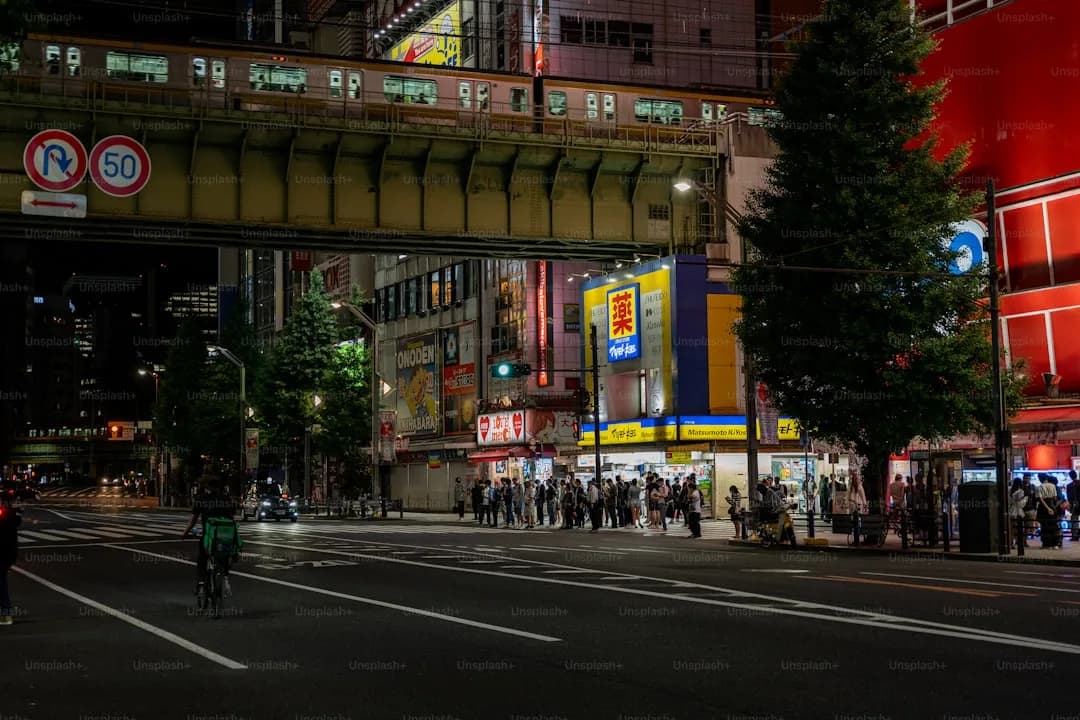
Tokyo on a Budget: How to Visit for Under $100/Day
Tokyo has a reputation as one of the world's most expensive cities, and in some categories -- luxury hotels, high-end sushi, certain JR train tickets -- that reputation holds. But Tokyo also has an extraordinary infrastructure for budget travelers that most expensive cities simply lack. Capsule hotels for Y3,000 a night. Michelin-worthy ramen for Y900. Convenience store meals that would put a lot of Western fast food to shame for Y500. A transport system where a single IC card handles everything. And more free temples, shrines, parks, and neighborhoods to explore than you could cover in a month.
This guide is a practical blueprint for spending under Y15,000 ($100) per day in Tokyo -- not by depriving yourself, but by knowing where the value is.
Accommodation: Y3,000-6,000/night ($20-40)
Accommodation is typically the biggest expense, but Tokyo offers an impressive range of budget options.
Capsule Hotels (Y3,000-5,000 / $20-33)
Capsule hotels are a uniquely Japanese budget option and an experience in themselves. You get a private sleeping pod (roughly 1m x 1m x 2m) with a mattress, light, power outlet, and usually a small TV or USB port. Bathrooms are shared, and many capsule hotels include a communal bath or sauna.
Best chains:
- Nine Hours -- Minimalist design, clean, quiet. Locations in Shinjuku, Akasaka, and near Narita Airport. From Y3,900.
- Capsule Value Kanda -- One of Tokyo's best-value options. Y3,300/night, includes sauna and bath.
- First Cabin -- Slightly larger pods, more like business class airplane seats. From Y4,500.
Note: Most capsule hotels are gender-separated by floor. Some cater exclusively to men, but mixed-gender and women-only options have increased significantly.
Hostels (Y2,800-4,500 / $19-30)
Tokyo's hostel scene is excellent. Dorm beds run Y2,800-4,500 per night, and quality is consistently high. Many include lounges, shared kitchens, laundry facilities, and organized social events.
Top picks:
- Nui. Hostel & Bar Lounge (Kuramae) -- Stylish converted warehouse with a great ground-floor bar. Dorms from Y3,200.
- Toco Tokyo Heritage Hostel (Iriya) -- Beautiful traditional Japanese house. Dorms from Y3,000.
- Unplan Kagurazaka -- Modern, design-forward hostel. Dorms from Y3,500.
- Grids Tokyo Asakusa -- Near Senso-ji temple, solid facilities. Dorms from Y2,800.
Budget Hotels (Y5,000-8,000 / $33-53)
If you prefer a private room, business hotel chains offer small but clean single rooms at reasonable prices. These typically include a private bathroom, WiFi, and sometimes breakfast.
- Toyoko Inn -- Japan's biggest budget hotel chain. Singles from Y5,500. Includes free rice ball breakfast.
- APA Hotels -- Modern business hotels, compact rooms. Singles from Y5,000 on quiet nights.
- Super Hotel -- Includes onsen-style bath and free breakfast. From Y6,000.
Pro tip: Book mid-week. Tokyo hotel prices spike on Friday and Saturday nights. A capsule hotel that costs Y3,500 on Tuesday might charge Y5,500 on Saturday.
Food: Y2,000-4,000/day ($13-27)
This is where Tokyo's budget-friendliness truly shines. You can eat incredibly well for very little money.
Convenience Stores (Konbini): Y300-800/meal
Japan's convenience stores -- 7-Eleven, Lawson, and FamilyMart -- serve food that is genuinely good. This is not gas station food. Onigiri (rice balls, Y120-180), bento boxes (Y400-600), sandwiches (Y200-300), hot fried chicken (Y200), and seasonal items are all fresh and satisfying.
A full konbini breakfast of onigiri, a boiled egg, and coffee costs about Y350 ($2.30). A lunch bento with rice, grilled fish, and vegetables runs Y500 ($3.30).
Chain Restaurants: Y500-1,000/meal
Tokyo's chain restaurants are budget travelers' best friends:
- Yoshinoya / Matsuya / Sukiya -- Gyudon (beef rice bowl) from Y400. Fast, filling, open 24 hours.
- CoCo Ichibanya -- Customizable Japanese curry from Y550.
- Tenya -- Tempura rice bowls from Y550.
- Saizeriya -- Italian-Japanese hybrid. Full meals from Y500, wine from Y100/glass.
- Ootoya -- Set meals (teishoku) with balanced dishes from Y750. The closest to home-cooked Japanese food at a chain.
Ramen Shops: Y800-1,200/meal
Ramen is Tokyo's quintessential budget meal. A bowl of ramen at a local shop costs Y800-1,200 and is filling enough to serve as a main meal. Some of Tokyo's best ramen is found at small neighborhood shops, not tourist-heavy areas.
Budget ramen picks:
- Fuunji (Shinjuku) -- Legendary tsukemen (dipping ramen). Y900.
- Ramen Jiro (multiple locations) -- Massive portions, cult following. From Y800.
- Ichiran (multiple locations) -- Solo-booth tonkotsu ramen. Y980. Tourist-friendly with English menus and individual eating booths.
Standing Sushi and Kaiten Sushi: Y1,000-2,000
Conveyor belt sushi (kaiten-zushi) starts from Y100-150 per plate. A filling sushi lunch costs Y1,000-1,500. Standing sushi bars near fish markets and train stations offer surprisingly high quality at lower prices than sit-down restaurants.
- Sushiro / Kura Sushi / Hamazushi -- Chain kaiten sushi from Y110/plate. Quality is remarkably good.
- Midori Sushi (Shibuya, Ginza) -- Popular sushi restaurant with excellent value sets from Y1,200.
Depachika (Department Store Basements): Y500-1,000
The basement food halls (depachika) of department stores like Isetan, Mitsukoshi, and Takashimaya are treasure troves. Near closing time (around 7-8 PM), many counters discount prepared foods, bento boxes, and sushi by 20-50%. The quality is restaurant-grade at konbini prices.
Pro tip: Head to the depachika at Isetan Shinjuku or Daimaru Tokyo Station around 30-60 minutes before closing for the best discounts on premium prepared foods.
Transport: Y800-1,500/day ($5-10)
IC Cards (Suica / PASMO)
Load a Suica or PASMO card and use it for all trains and buses within Tokyo. Individual rides cost Y170-320 depending on distance. A typical day of sightseeing with 3-4 train rides costs Y800-1,200.
Get a mobile Suica on your iPhone for the easiest experience. Physical cards are in limited supply but can sometimes be found at Haneda Airport or major JR stations.
Day Passes
If you plan to use the subway heavily, consider these unlimited-ride passes:
| Pass | Price | Coverage |
|---|---|---|
| Tokyo Subway 24-Hour Ticket | Y800 | All Tokyo Metro + Toei Subway lines |
| Tokyo Subway 48-Hour Ticket | Y1,200 | Same as above, 2 days |
| Tokyo Subway 72-Hour Ticket | Y1,500 | Same as above, 3 days |
| Tokunai Pass | Y760 | All JR lines within Tokyo (if you have no JR Pass) |
The 24-hour subway ticket at Y800 pays for itself with just 4-5 rides. Buy it at airport counters (Narita, Haneda) or BIC Camera stores.
Walking
Many of Tokyo's best neighborhoods are best explored on foot. Shibuya to Harajuku to Omotesando is a pleasant 30-minute walk. Asakusa to Ueno takes 20 minutes along interesting backstreets. Walking between neighborhoods saves money and reveals hidden gems.
Cycling
Some hostels lend bicycles for free. Rental services like Docomo Bike Share cost Y165/30 minutes (Y1,650 1-day pass). Tokyo is flat enough for easy cycling, and bike paths have improved significantly. Just stay off busy main roads.
Free and Cheap Attractions
Tokyo is packed with things to do that cost nothing or next to nothing.
Completely Free
- Senso-ji Temple (Asakusa) -- Tokyo's oldest temple with its iconic red lantern and Nakamise shopping street. Free.
- Meiji Shrine (Harajuku) -- Serene forest shrine in the heart of the city. Free.
- Imperial Palace East Gardens -- Beautiful landscaped gardens open to the public. Free.
- Shibuya Crossing -- The world's busiest pedestrian crossing. Iconic and free to experience.
- Tsukiji Outer Market -- The outer market remains open with food stalls and shops (the inner wholesale market moved to Toyosu). Free to walk around.
- Harajuku / Takeshita Street -- Teen fashion and pop culture street. Free to browse.
- Akihabara -- Electronics and anime district. Browsing the multi-floor arcades and shops costs nothing.
- Tokyo Metropolitan Government Building observation deck (Shinjuku) -- Free 360-degree city views from the 45th floor. Open until 11 PM.
- Odaiba -- Waterfront area with a small Statue of Liberty replica, beach, and the life-size Gundam statue. Free to explore.
- Yoyogi Park -- Huge green space next to Meiji Shrine. Free. On Sundays, street performers and cosplayers gather.
- Inokashira Park (Kichijoji) -- Beautiful pond surrounded by trees. Stunning during cherry blossom season. Free.
Budget Attractions (Under Y1,000)
- Teamlab Borderless (Azabudai Hills) -- Immersive digital art museum. Y3,800. Not cheap, but a unique experience. Book online in advance.
- Senso-ji area walking tour -- Self-guided through Asakusa's backstreets. Free.
- Ueno Park museums -- National Museum of Nature and Science (Y630), Tokyo National Museum (Y1,000). Several museums are free on certain days.
- Shinjuku Gyoen National Garden -- Y500 entry. One of Tokyo's most beautiful parks.
- Nezu Shrine -- Free. Beautiful torii gate tunnel, less crowded than Fushimi Inari in Kyoto.
- Yanaka district -- Old Tokyo neighborhood with traditional shops, temples, and a nostalgic atmosphere. Free.
Sample Daily Budgets
Ultra-Budget Day: Y7,500 ($50)
| Item | Cost |
|---|---|
| Capsule hotel | Y3,500 |
| Breakfast (konbini onigiri + coffee) | Y350 |
| Lunch (gyudon chain) | Y500 |
| Dinner (ramen) | Y900 |
| Snack (konbini) | Y200 |
| Transport (IC card, 3-4 rides) | Y900 |
| Sightseeing (free attractions) | Y0 |
| Water / drinks from vending machines | Y300 |
| Total | Y6,650 ($44) |
Comfortable Budget Day: Y12,000 ($80)
| Item | Cost |
|---|---|
| Hostel dorm | Y3,500 |
| Breakfast (konbini or hostel) | Y400 |
| Lunch (kaiten sushi) | Y1,200 |
| Dinner (izakaya set meal + 1 drink) | Y2,000 |
| Afternoon snack (taiyaki or crepe) | Y350 |
| Transport (24-hour subway pass) | Y800 |
| One paid attraction | Y1,000 |
| Drinks / extras | Y500 |
| Total | Y9,750 ($65) |
Treat-Yourself Budget Day: Y15,000 ($100)
| Item | Cost |
|---|---|
| Budget hotel (single room) | Y5,500 |
| Breakfast (kissaten coffee shop) | Y800 |
| Lunch (mid-range sushi) | Y2,000 |
| Dinner (yakitori + 2 beers) | Y3,000 |
| Transport | Y1,000 |
| Paid attraction (museum or TeamLab) | Y1,500 |
| Drinks / snacks | Y1,200 |
| Total | Y15,000 ($100) |
Money-Saving Tips
Buy Groceries at Supermarkets
Late-night supermarkets (LIFE, Ito Yokado, OK Store) discount prepared foods by 20-50% after 7-8 PM. A discounted sushi platter for Y400 and a side dish for Y200 makes a Y600 dinner that would cost Y2,000+ at a restaurant.
Use the 100 Yen Shops
Daiso, Seria, and Can Do stores sell everything from travel-sized toiletries to chopsticks to phone cables for Y100 ($0.67) per item. Stock up on essentials instead of buying overpriced versions at convenience stores or pharmacies.
Drink from Vending Machines, Not Cafes
Vending machines sell canned coffee (Y130), green tea (Y130-160), and other beverages for a fraction of cafe prices. A cafe latte at Starbucks costs Y500+. A canned Boss coffee from a vending machine costs Y130 and is honestly just as satisfying for a caffeine fix.
Skip the Hotel Breakfast
Most business hotels offer a decent breakfast for Y800-1,200, but you can do better for less at a convenience store or a chain like Matsuya (teishoku breakfast from Y450).
Take Advantage of Lunch Sets
Japanese restaurants routinely offer lunch sets (ranchi) at 30-50% less than dinner prices. The same tempura restaurant that charges Y3,000 at dinner might have a lunch set for Y1,200. Eat your biggest meal at lunch.
Drink at Konbini Before Going Out
If you want to enjoy Tokyo nightlife, buy a few drinks at a convenience store before heading to bars. A can of Asahi or Kirin costs Y220 at a konbini versus Y500-700 at a bar. Drinking outside in parks (hanami style) or on riverbanks is socially acceptable and common in Japan.
Key Takeaways
- Y8,000-12,000/day ($53-80) is achievable without feeling deprived -- Tokyo's budget infrastructure is excellent.
- Konbini food is genuinely good and costs Y300-600 per meal.
- Chain restaurants (Yoshinoya, Matsuya, CoCo Ichibanya) serve filling meals for Y400-800.
- Capsule hotels (Y3,000-5,000) and hostels (Y2,800-4,500) are clean and comfortable.
- The 24-hour subway pass (Y800) is the best transport deal for heavy sightseeing days.
- Free attractions abound -- temples, shrines, parks, markets, and neighborhoods are Tokyo's main draw.
- Eat lunch sets, shop at 100-yen stores, and drink from vending machines for easy savings.
Frequently Asked Questions
Is Tokyo really cheap enough to visit on $50/day?
Yes, if you are willing to stay in capsule hotels or hostel dorms and eat primarily at convenience stores and chain restaurants. Y7,000-8,000/day ($47-53) is realistic for a disciplined budget traveler. You will eat well and see a lot, though you will skip paid attractions and mid-range restaurants.
Should I exchange money before arriving?
Exchange a small amount (Y10,000-20,000) for immediate expenses, then withdraw yen from 7-Eleven ATMs in Japan, which offer competitive exchange rates. Airport currency exchanges in Japan are reasonable but not the best rates. Avoid exchanging at your home country's airport or bank, where rates are usually worse.
Is it cheaper to buy a prepaid SIM or use pocket WiFi?
An eSIM is the cheapest option (Y1,500-3,000 for 7-14 days). Pocket WiFi rental runs Y500-1,000/day, which adds up. If you have an eSIM-compatible phone, that is the clear winner for budget travelers. See our Japan travel guide for connectivity details.
How much should I budget for day trips from Tokyo?
Kamakura: about Y1,900 round trip by JR (free with JR Pass). Hakone: Y2,500-5,000 depending on pass options. Nikko: about Y5,200 round trip by Tobu Railway (or free by JR with a JR Pass). Day trips add Y2,000-5,000 to your daily budget for transport alone.
What is the cheapest way to get from Narita Airport to Tokyo?
The Access Express / Keisei line from Narita to Asakusa or Ueno costs Y1,270 and takes 50-70 minutes. The discount Keisei Main Line costs Y1,050 but takes 80+ minutes. The Narita Express (Y3,070) and Limousine Bus (Y3,200) are faster but more expensive. If you have an active JR Pass, the Narita Express is free.
Sources & References
This article is based on first-hand experience and verified with the following official sources:
Go2Japan Team
Exploring Japan since 2021 | 35+ prefectures visited | Updated monthly
We are a team of travel writers and Japan enthusiasts who explore the country year-round. Our guides are based on first-hand experience, local knowledge, and verified official sources.
More about us →People Also Read
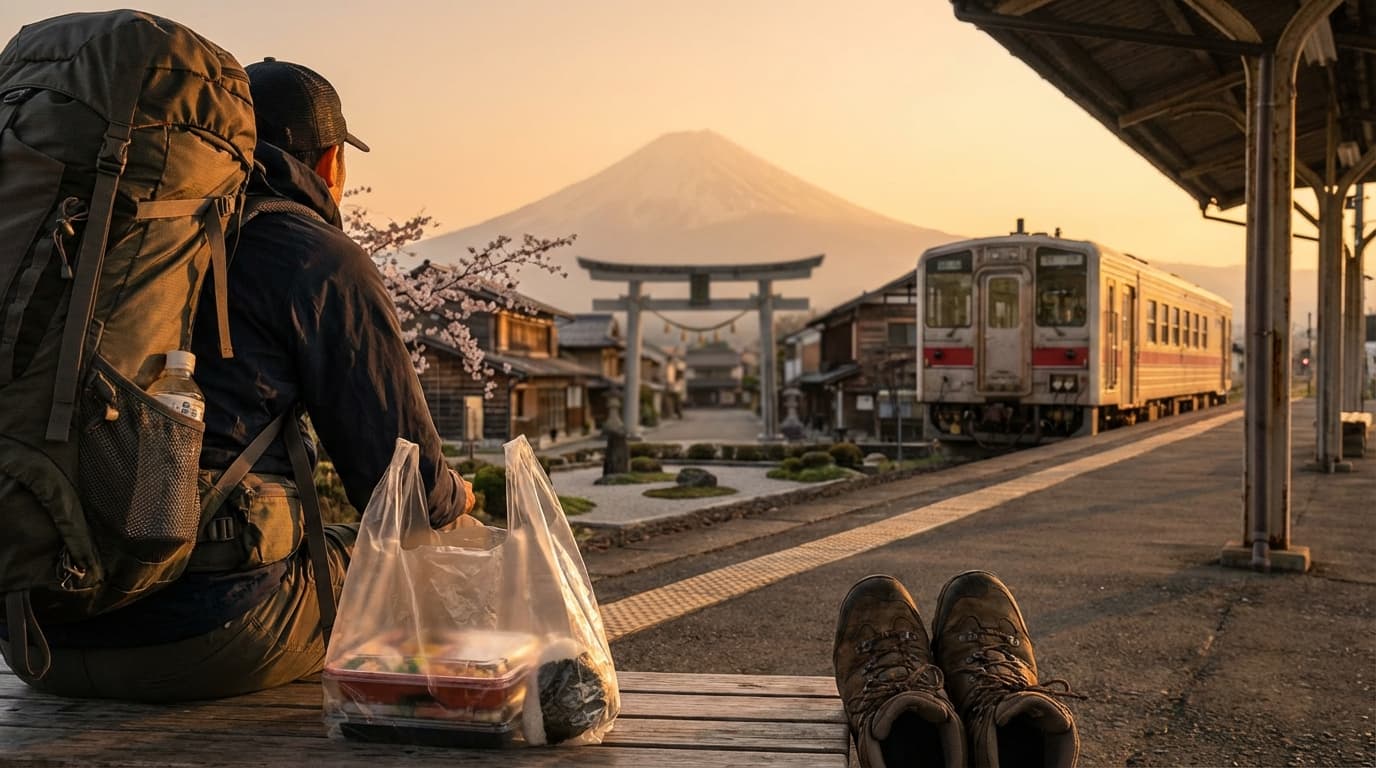
Cheapest Way to Travel Between Japanese Cities: Complete Budget Guide 2026
Save money traveling between Japanese cities. Compare trains, buses, and flights with exact prices in JPY and USD. Expert budget tips from local travelers.
Japan Rail Pass 2026: Complete Guide to JR Pass
Complete 2026 guide to the Japan Rail Pass. Current prices, how to buy and activate, which trains are covered, and tips to maximize your JR Pass value.
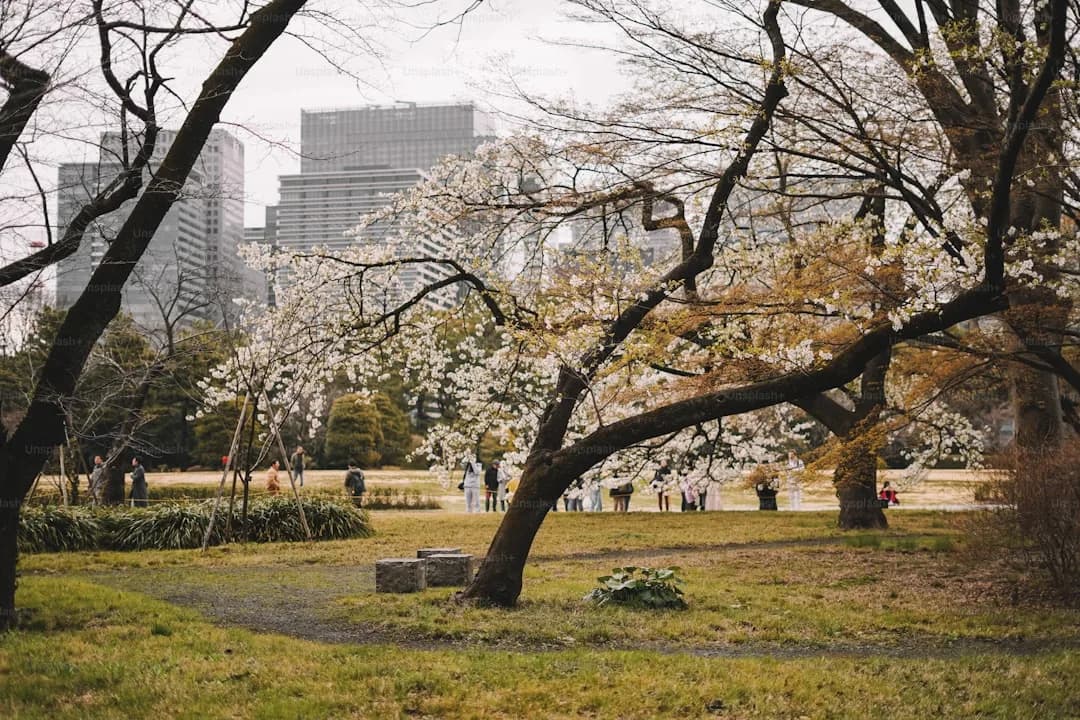
Best Time to Visit Japan: Season-by-Season Guide
Find the best time to visit Japan with our season-by-season guide. Cherry blossoms, autumn foliage, summer festivals, and winter snow -- month-by-month breakdown.
Japan Travel Guide 2026: Everything You Need to Know
Complete Japan travel guide for 2026. Covers visas, budget, transport, culture, and practical tips for first-time visitors planning a trip to Japan.
Plan Your Japan Trip
Book hotels, transport, activities, and get connected with an eSIM
Some links are affiliate links. We may earn a commission at no extra cost to you.