Kanto
Overview
The Kanto region, centered around Tokyo, is Japan's political, economic, and cultural powerhouse — home to nearly a third of the country's population and the vast Tokyo-Yokohama metropolitan area, the largest urban agglomeration on earth. Yet beyond the neon-lit skyscrapers and bustling train stations, Kanto offers surprising diversity: the ancient temples of Kamakura and Nikko, the natural beauty of Hakone's hot springs and Mount Fuji views, the coastal charm of Yokohama's Chinatown, and the quiet rural landscapes of Gunma and Tochigi prefectures. Kanto encompasses seven prefectures — Tokyo, Kanagawa, Saitama, Chiba, Ibaraki, Tochigi, and Gunma — spanning from the Pacific coast to the mountainous interior. The region sits on the Kanto Plain, Japan's largest flat area, which historically made it ideal for rice cultivation and ultimately for urbanization. The Tone and Tama rivers provide water, and the surrounding mountains create a natural amphitheater that has shaped the region's development for centuries. For most international visitors, Kanto is their introduction to Japan. Tokyo's seemingly endless urban landscape gives way within an hour to mountain retreats, historic towns, and seaside escapes that showcase a completely different side of the country. Whether you spend three days or three weeks in the region, Kanto rewards exploration beyond its famous capital.
Cities in Kanto
Explore the top destinations in this region
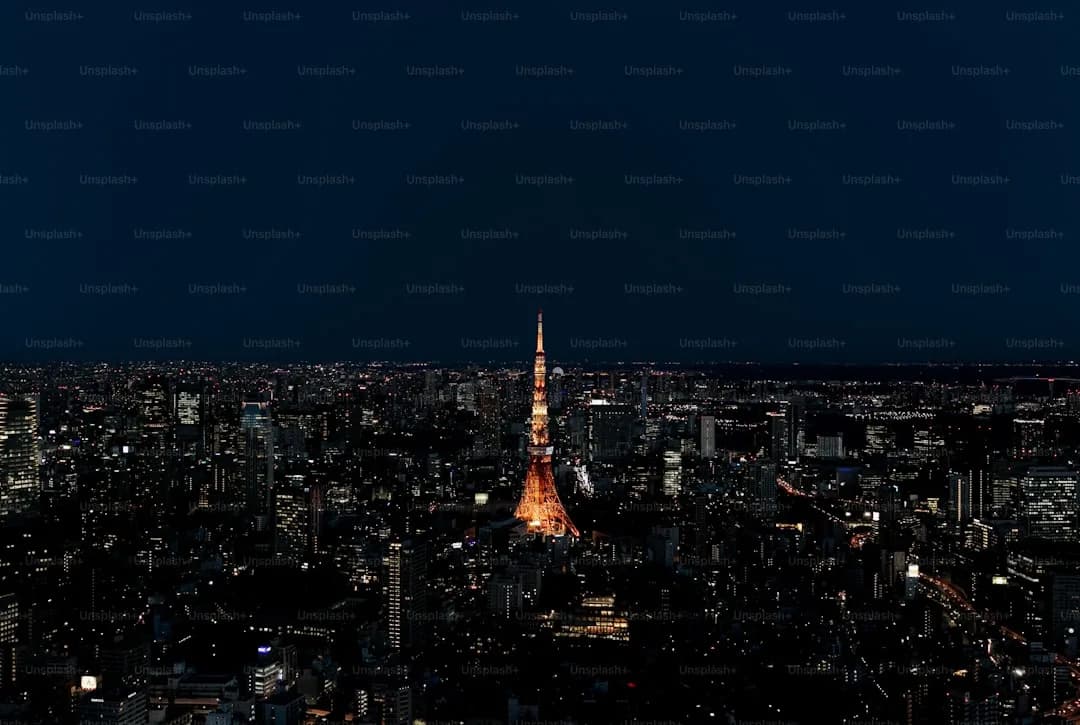
Tokyo
Kanto
Japan's sprawling capital is a mesmerizing collision of ultramodern technology and ancient tradition, where neon-lit skyscrapers tower over serene Shinto shrines and centuries-old gardens.
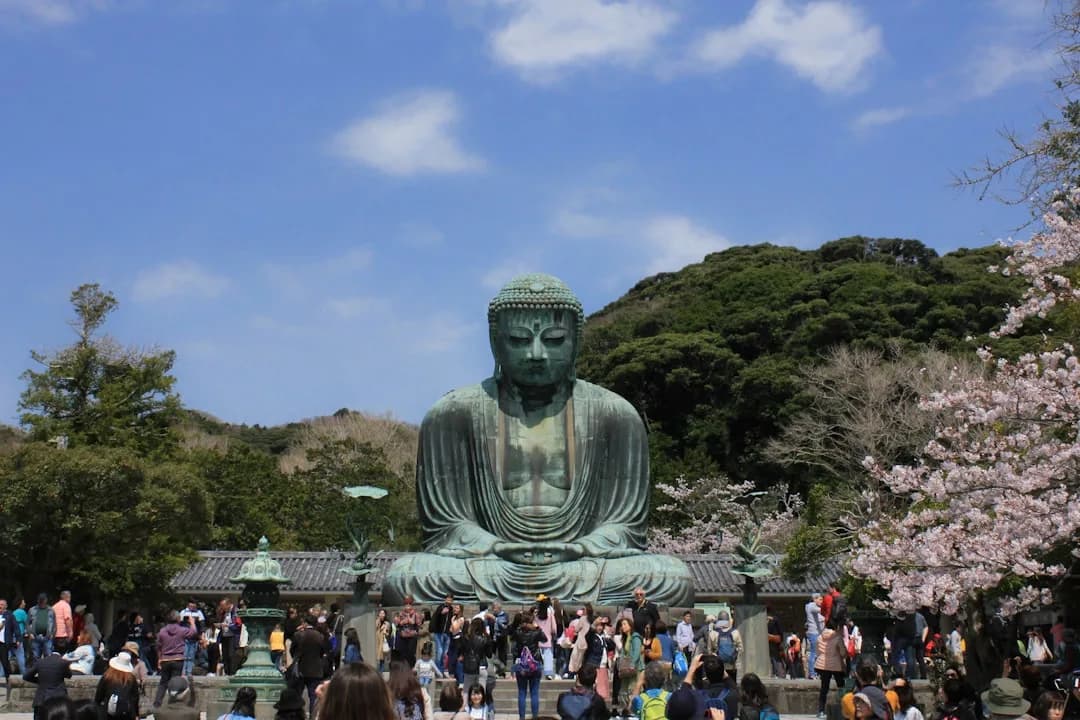
Kamakura
Kanto
Japan's medieval capital perched between forested hills and the Pacific Ocean, Kamakura is a compact treasure of ancient Zen temples, a towering outdoor bronze Buddha, and a laid-back coastal atmosphere.
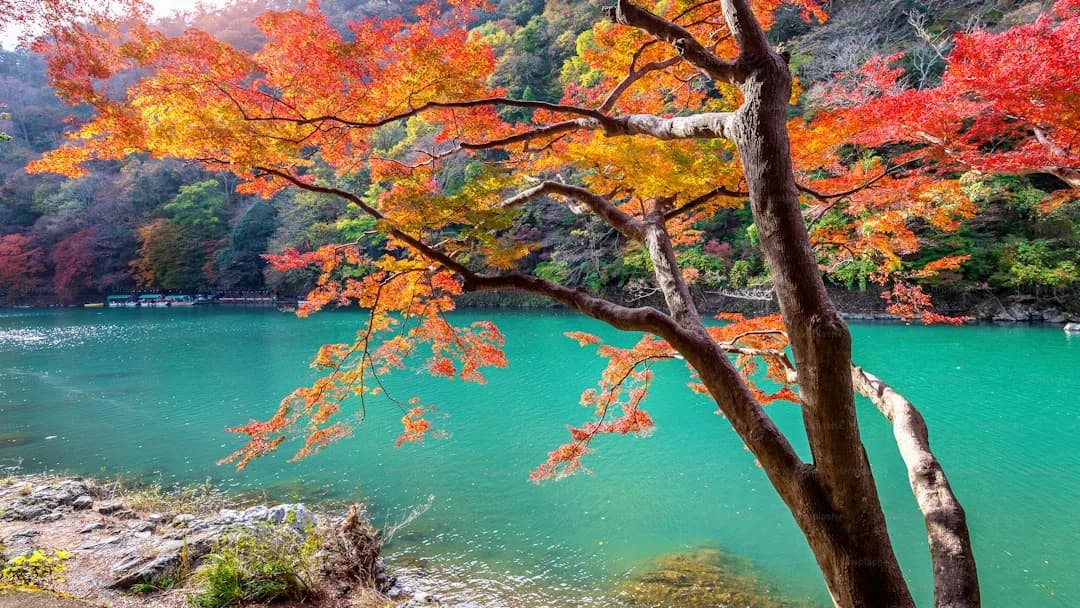
Nikko
Kanto
A mountain sanctuary of lavishly decorated shrines set among ancient cedar forests, Nikko offers one of Japan's most stunning combinations of cultural splendor and natural beauty.
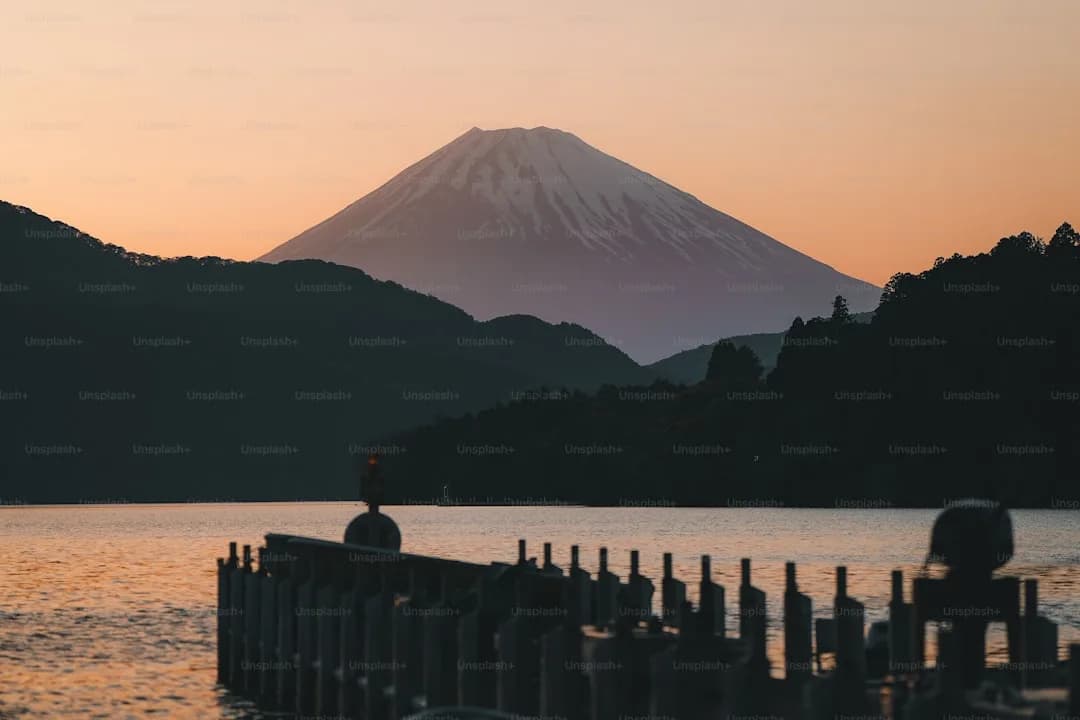
Hakone
Kanto
A mountainous hot spring resort nestled in the caldera of an ancient volcano, Hakone offers steaming onsen, misty lakes, world-class art museums, and stunning views of Mount Fuji.
Best Time to Visit
Recommended Period
March to May for cherry blossoms and pleasant weather; October to November for autumn foliage. Summer (June-August) is hot and humid. Winter is cold but dry with clear skies and excellent Mount Fuji visibility.